
Coffee 101
What is specialty coffee, and why does Monteverde suit it?
The 80-point definition, what it leaves out, and the altitude, shade and slow ripening that make Monteverde a specialty origin.
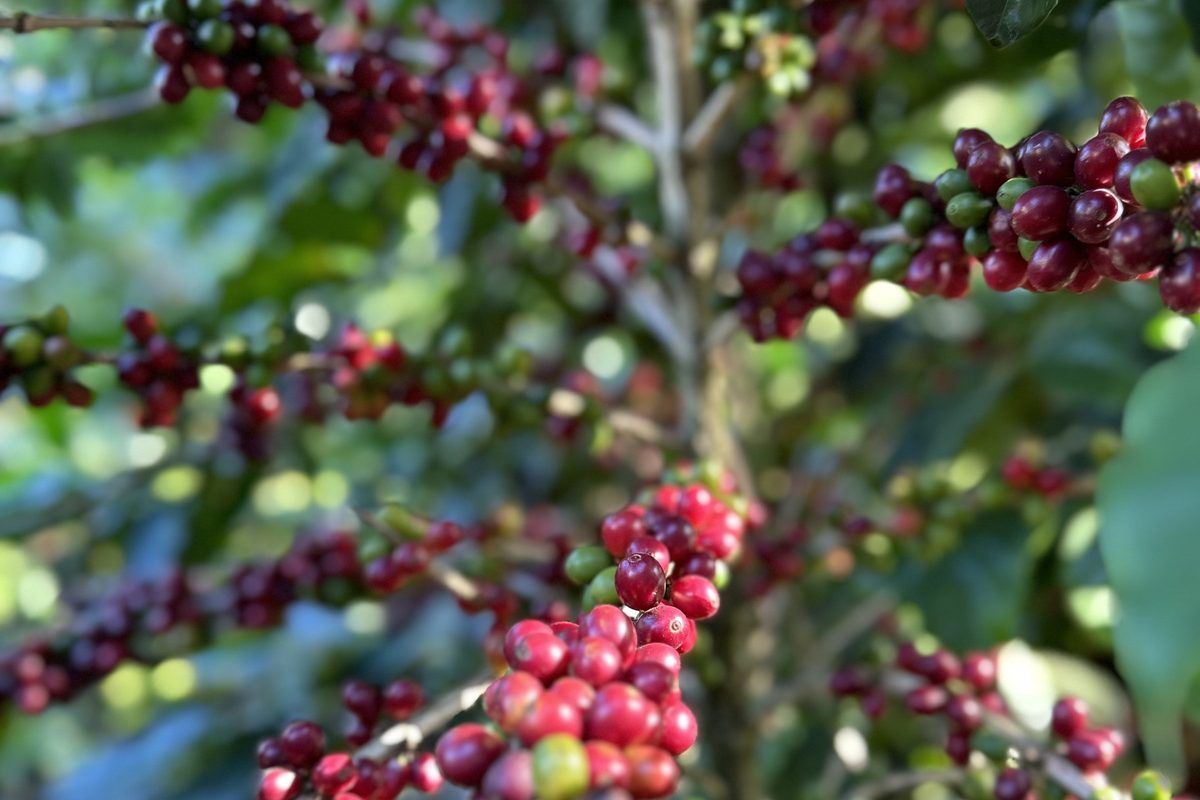
Specialty coffee is the difference between coffee as a commodity and coffee as an agricultural product with a place, a variety and a score. The short definition: it is coffee that scores 80 points or more out of 100 on the Specialty Coffee Association scale, cupped by a certified judge.
That number matters, but it is not the whole story. Here is what sits behind it, and why a farm at 1,400 metres in Monteverde can produce coffee that scores well above it.
The 80-point line
The SCA protocol scores coffee on fragrance, flavour, aftertaste, acidity, body, balance, uniformity, cleanliness and sweetness, with defects subtracted. A score of 80 or above makes it specialty. Below 80 it is usually sold as commodity coffee, blended and priced by the pound rather than the cup.
The scoring is done blind, by people who taste for a living. It is not a perfect system — scores vary between judges and the protocol has been criticised for how it handles some origins — but it is a real threshold rather than a marketing word.
What specialty usually implies
In practice, a specialty coffee also tends to be traceable, picked selectively, processed with care and traded with more transparency than commodity coffee. You can usually name the farm, sometimes the plot, and often the variety. That traceability is what allows a roaster to pay more than the commodity price and still make a business of it.
At Café de Monteverde we track lots from the seedbed to the export sack, cup every lot before it is sold, and sell directly to roasters in North America and Europe. That is the practical version of the word.
Why altitude matters
Coffee grown high ripens slowly. Cool nights and warm days slow the development of the cherry, giving the seed more time to build sugars and acidity. Slow-ripened coffee is denser, and dense coffee usually has more flavour and more structure in the cup.
Our plots sit between 1,300 and 1,450 metres. That is not the highest coffee in Costa Rica — some farms go above 1,700 — but it is high enough to slow ripening, and low enough that frost is not a constant threat.
Why Monteverde suits it
Monteverde has three things specialty coffee needs: altitude, cloud and shade. The cloud forest sits above the farm and the afternoon cloud cover keeps temperatures moderate. Half of the farm's land is kept as forest, and the shade trees around the plots do the same job on a smaller scale.
Shade slows ripening further and protects the plants from extremes. It also keeps the soil alive, which is what makes the difference between a farm that can produce specialty coffee for a decade and one that produces it for two years and then declines.
Variety matters too
We grow Caturra, Catuaí and Venecia. Caturra and Catuaí are classic, reliable, good-quality varieties. Venecia is less common: a compact plant with good cup quality that we have been separating into microlots. Tasting a Caturra next to a Venecia from the same farm is one of the more interesting things you can do with a cupping spoon.
Processing and roasting are part of the score
A great cherry can be ruined by bad fermentation or careless drying, and a good lot can be flattened by a roast that bakes it. Specialty is not a property of the seed alone; it is the result of a chain of decisions, each of which can subtract points.
This is why our roaster cups before a lot is sold and why the roast profiles are built around the process rather than the other way round.
How to tell specialty coffee when you buy it
- A roast date, not just a best-before date.
- A named farm, region or cooperative — and ideally a plot or a variety.
- Tasting notes that are specific: "honey, pear, cinnamon" rather than "smooth and rich".
- A process stated on the bag: washed, honey, natural.
- A roaster who will tell you how it was scored, if you ask.
Is it worth the price?
Specialty coffee costs more because more labour goes into it: selective picking, careful processing, small-batch roasting, and a supply chain that pays the farm rather than a middleman. The gap per cup is usually small. The gap in the cup is not.
If you want to test that for yourself, the fairest comparison is our Collection Set: three processes from the same farm, roasted the same way. Drink them side by side and the word stops being abstract.
Taste the difference on the farm
The two-hour tour ends with five coffees from this farm, tasted side by side. It is the fastest way to understand everything in this article.
Common questions
What makes coffee specialty?
Specialty coffee is coffee that scores 80 points or more out of 100 on the Specialty Coffee Association scale, judged by a certified cupper. It also implies a transparent supply chain and a coffee that is traceable to a farm or lot.
Is all Costa Rican coffee specialty?
No. Costa Rica has a strong reputation for quality and a large share of its coffee is specialty, but specialty status is decided lot by lot through cupping, not by country of origin.
What does 1,300 to 1,450 metres mean for coffee?
Altitude slows the ripening of the cherry, which gives the seed more time to develop sugars and acidity. Coffee grown at 1,300 to 1,450 metres is typically denser and more complex than coffee grown at low altitude.
How do I know if the coffee I buy is fresh?
Look for a roast date rather than a best-before date. Coffee is best between about 5 and 30 days after roasting. If a bag has no date at all, assume it is older than you would like.
Keep reading
More from the journal
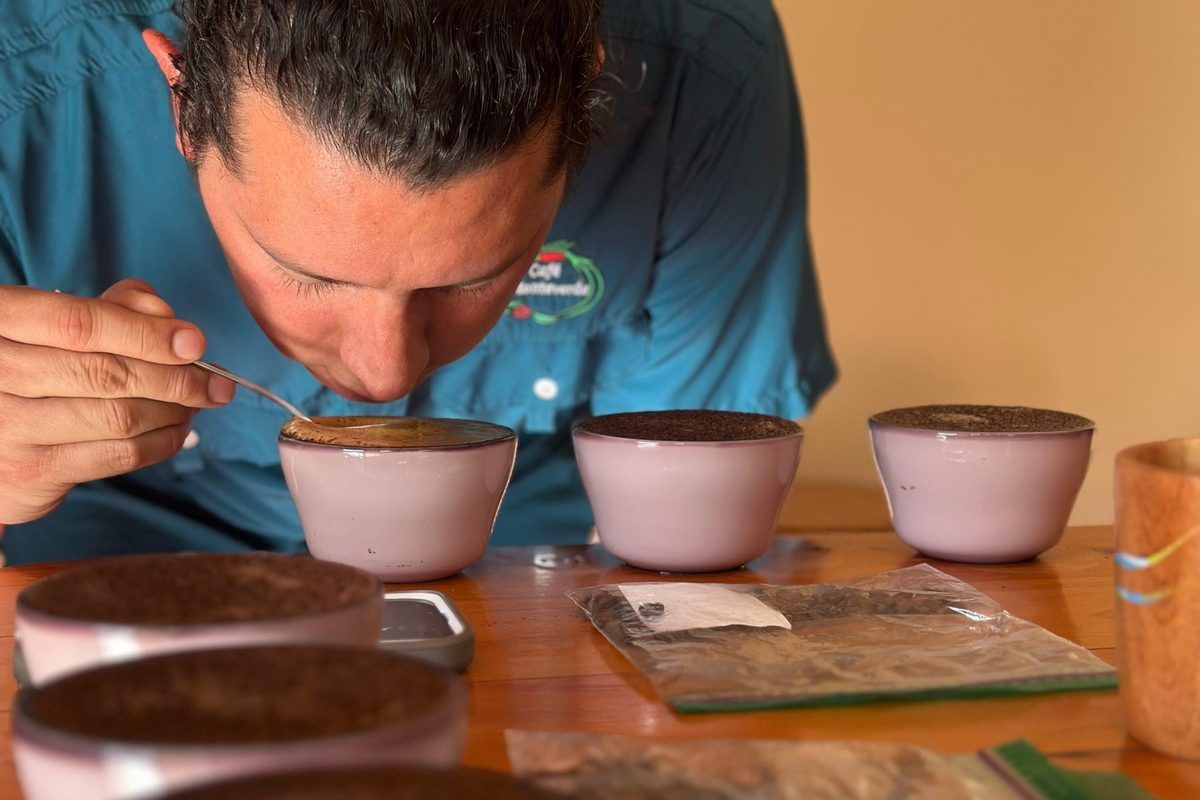
Washed, honey, natural and anaerobic: what coffee processing does to your cup
Four methods, one farm, four completely different coffees. Here is what happens to the cherry after picking, and why it changes the taste.
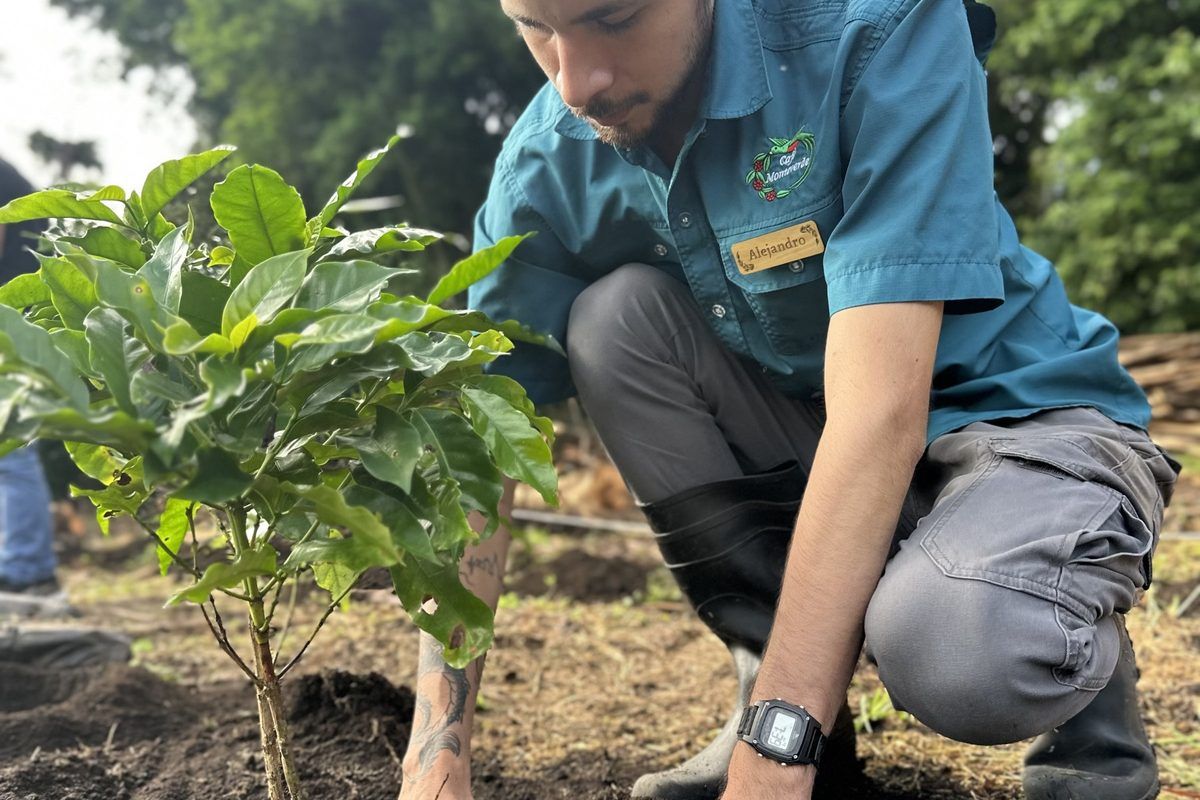
Coffee from seed to cup: eight steps at our Costa Rican farm
From a seedbed in Cañitas to the cup in your hand, eight stages and about three years. A walk through what actually has to happen.
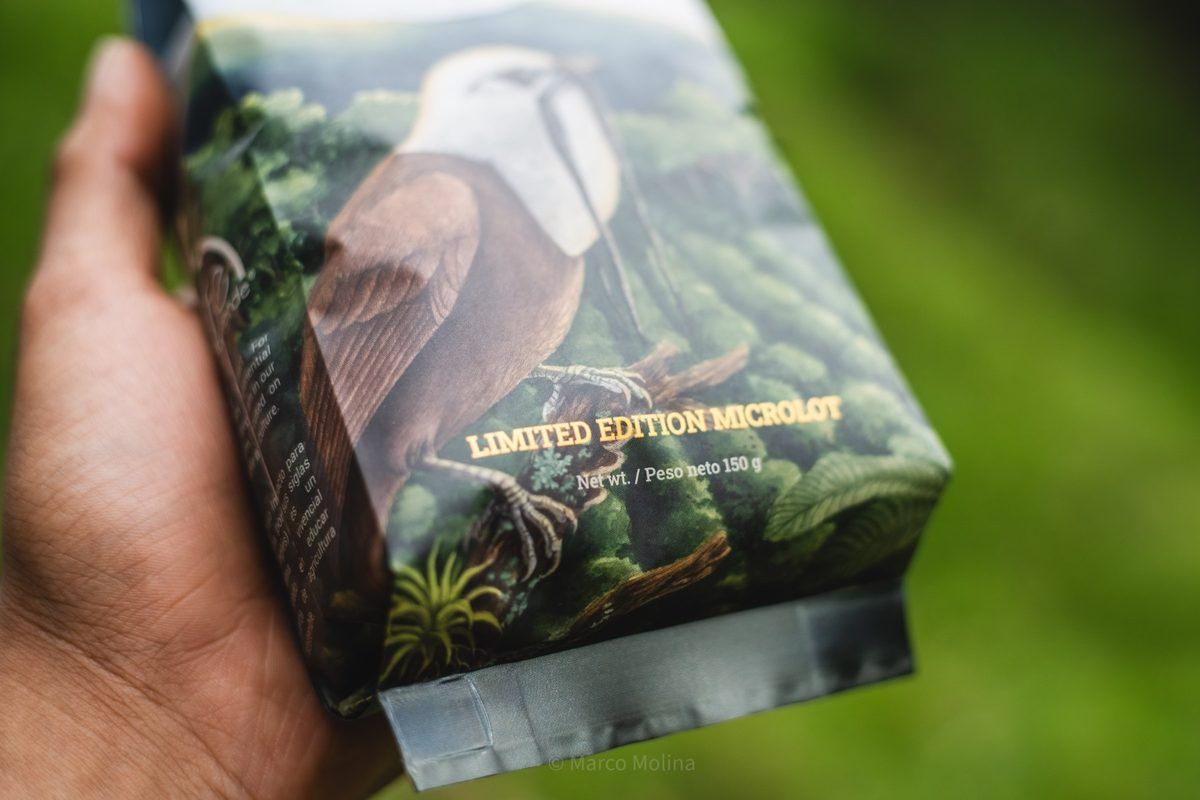
Single-plot harvests: the diversity of coffee at Café de Monteverde
Why we pick and process small plots separately, how we measure ripeness with a refractometer, and what a microlot tastes like.