
From the farm
Single-plot harvests: the diversity of coffee at Café de Monteverde
Why we pick and process small plots separately, how we measure ripeness with a refractometer, and what a microlot tastes like.
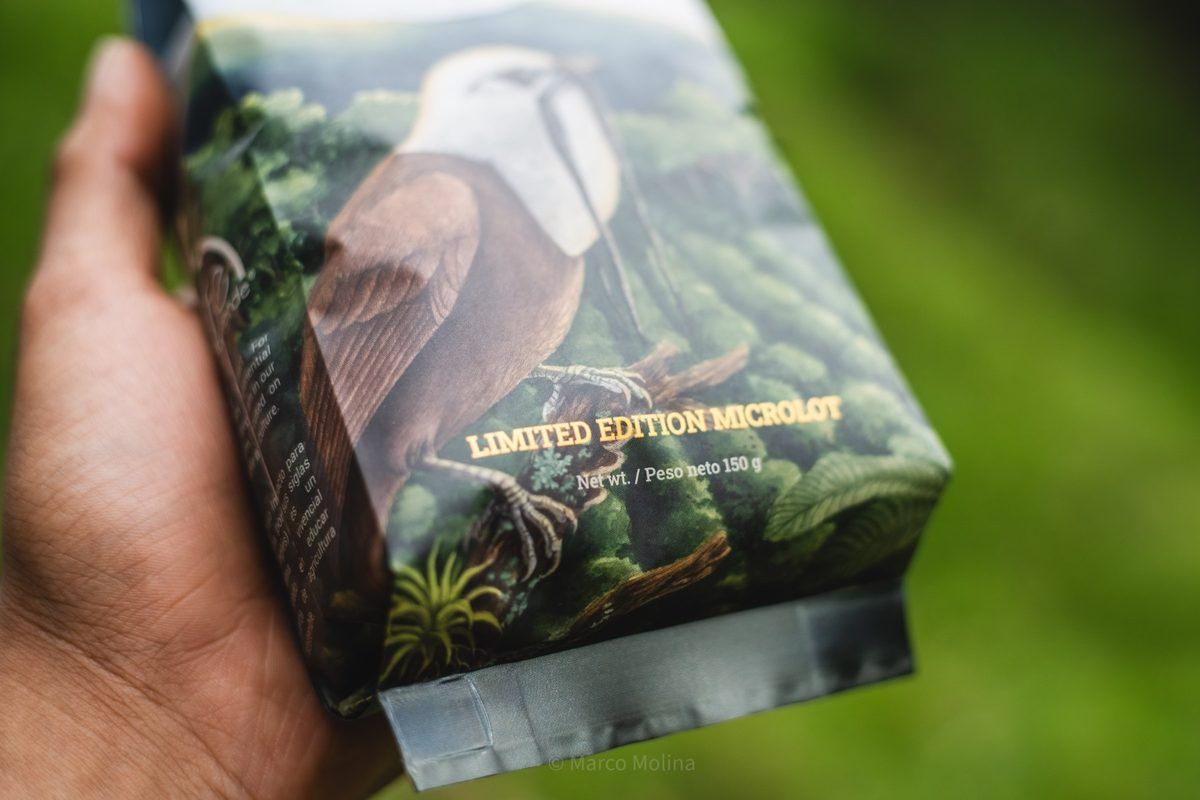
Most coffee is blended into a single lot for the farm. We keep some of ours apart. A microlot is a small batch — a single plot, a single variety, sometimes a single day of picking — processed and dried separately so that its particular character survives to the cup.
It is more work for less coffee. It is also the most interesting thing we do at the mill.
Why separate a plot?
A farm is not one thing. Our plots differ in altitude, slope, shade, soil depth and variety. The block near the forest edge ripens later and tastes different from the block lower down the hill, even when both are Caturra and both are washed the same way.
When everything goes into one tank, those differences average out. When a plot is picked and processed alone, you can taste what the place did. That is the whole idea of a microlot: not better coffee, more specific coffee.
Measuring ripeness
We use a refractometer to read Brix — the dissolved sugar in the cherry — on samples from each plot through the harvest. Colour tells you a cherry is red; Brix tells you whether the sugars inside have developed enough to make a good cup.
Plot by plot, week by week, that gives us a picking map rather than a single harvest date for the whole farm. It also tells us which plots are worth separating: if a block is consistently sweeter at the same ripeness, it earns its own lot.
Drying on African beds
Microlots dry on raised African beds, in thin layers, turned by hand several times a day. Thin layers and frequent turning give even drying and let us slow the process down when the weather allows, which concentrates the sugars rather than flattening them.
Each lot is labelled with its plot, variety, process and picking date. When it is dry it is cupped on its own. Only then do we decide whether it becomes a named microlot, part of a blend, or a coffee we keep for ourselves.
What a microlot tastes like
Our Venecia lots are the clearest example. Venecia is a compact plant with good cup quality, and separated from the Caturra and Catuaí around it, it shows a distinct acidity and a sweeter finish. In a good year the difference is obvious even to someone who has never cupped before.
Microlots are limited by definition. When a lot is gone, it is gone until the next harvest, and the next harvest will not taste exactly the same. That is not a flaw in the product; it is the product.
Try the difference
Our microlots are released in small quantities through the year, usually in the months after the harvest. If you want to be told when the next one is ready, write to info@cafedemonteverde.com and we will add you to the list.
On the farm tour you can taste the current range, including whatever microlot is on the table that week, and see the beds where it dried. Book a tour.
Taste the difference on the farm
The two-hour tour ends with five coffees from this farm, tasted side by side. It is the fastest way to understand everything in this article.
Common questions
What is a coffee microlot?
A microlot is a small, separately picked and processed batch of coffee, usually from a single plot, variety or day of harvest. It is kept apart from the main lot so its particular character can be tasted, scored and sold on its own.
What is Brix and why does it matter for coffee?
Brix is a measure of dissolved sugar in the cherry. Measuring it with a refractometer helps decide when a plot is ripe enough to pick, which is more precise than judging by colour alone.
Why do single-plot coffees taste different?
Because soil, altitude, shade, variety and picking date all differ between plots, even on the same farm. Separating them keeps those differences in the cup instead of blending them away.
Keep reading
More from the journal
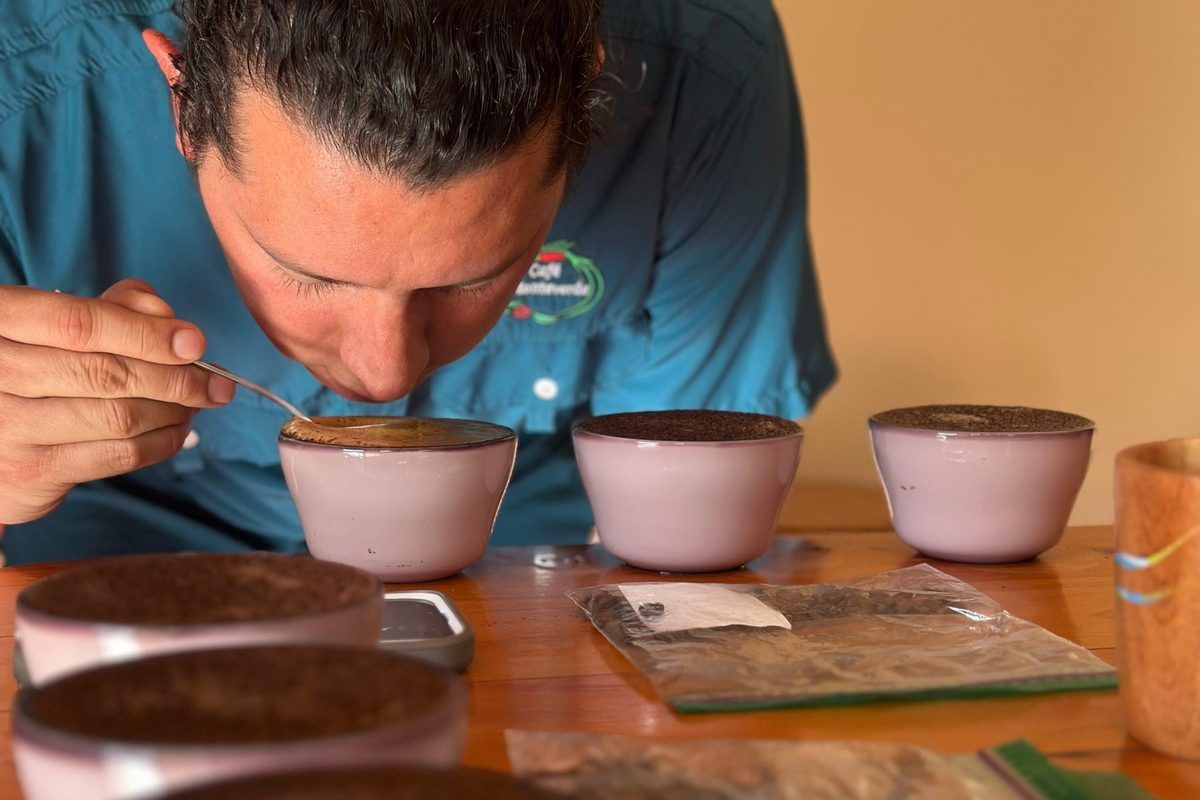
Washed, honey, natural and anaerobic: what coffee processing does to your cup
Four methods, one farm, four completely different coffees. Here is what happens to the cherry after picking, and why it changes the taste.
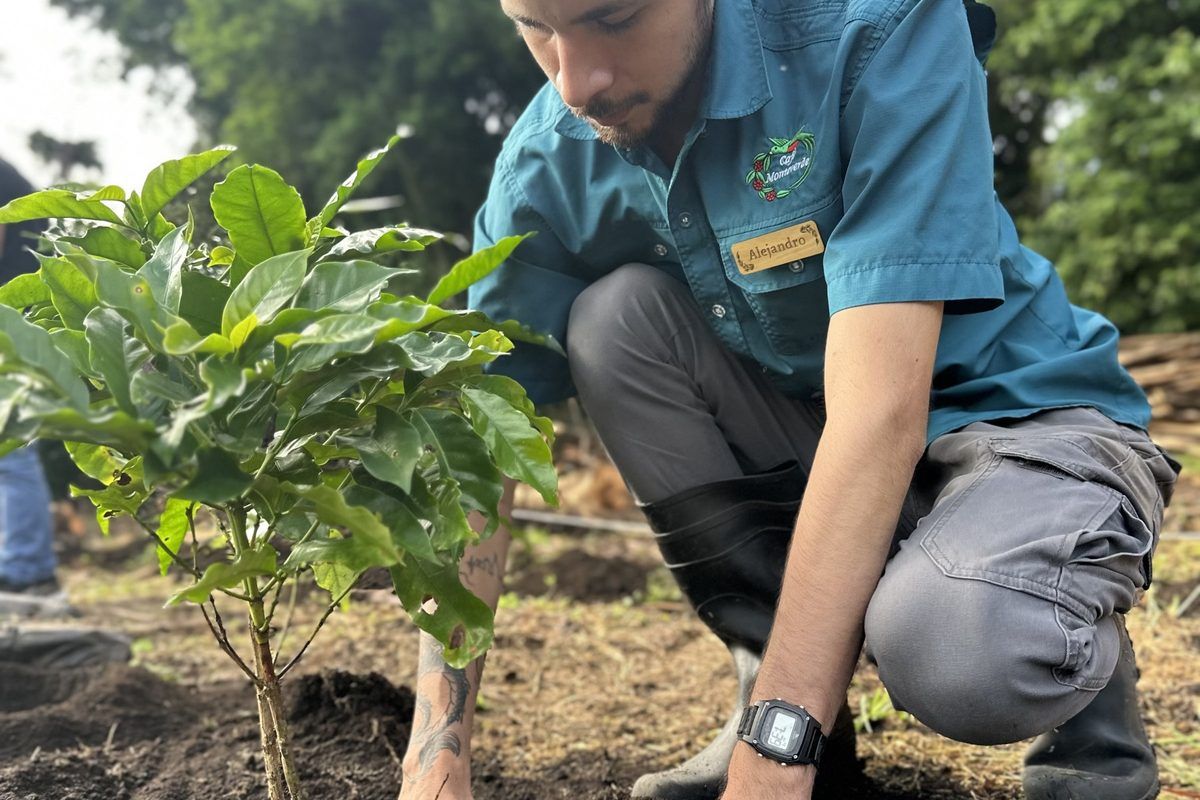
Coffee from seed to cup: eight steps at our Costa Rican farm
From a seedbed in Cañitas to the cup in your hand, eight stages and about three years. A walk through what actually has to happen.
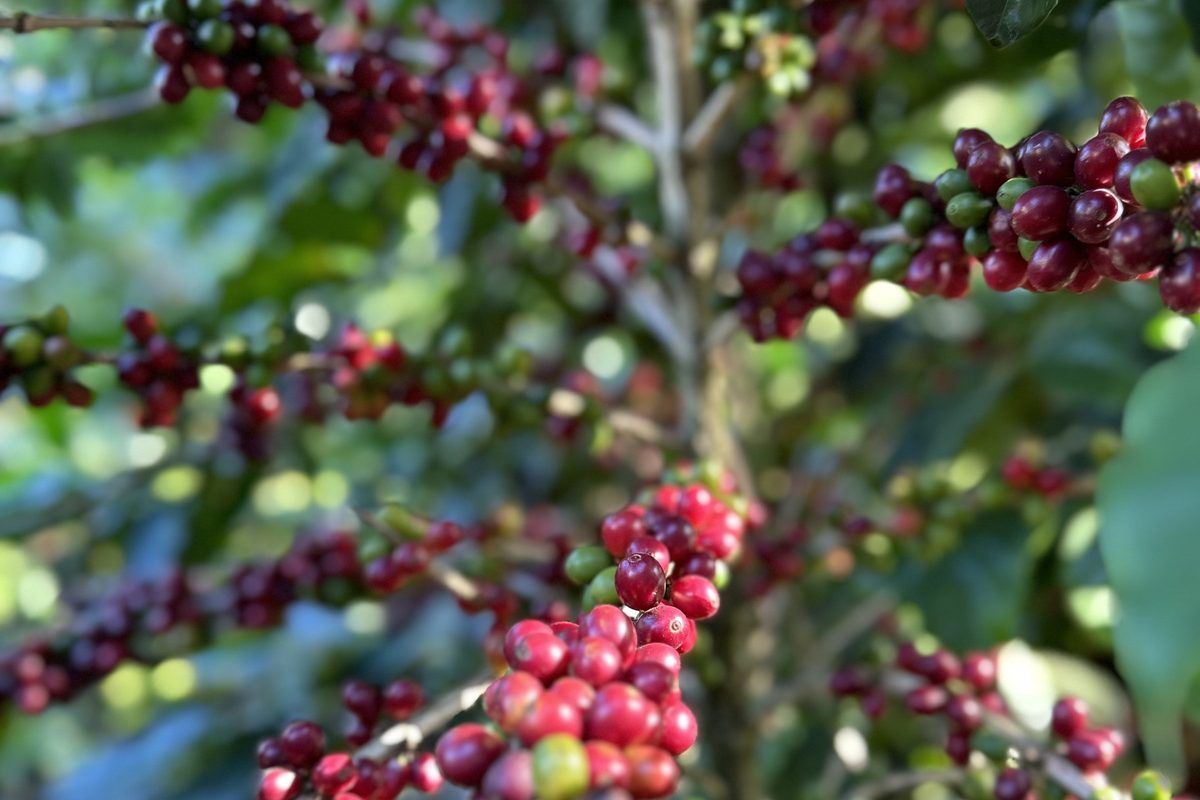
What is specialty coffee, and why does Monteverde suit it?
The 80-point definition, what it leaves out, and the altitude, shade and slow ripening that make Monteverde a specialty origin.