
Coffee 101
Washed, honey, natural and anaerobic: what coffee processing does to your cup
Four methods, one farm, four completely different coffees. Here is what happens to the cherry after picking, and why it changes the taste.
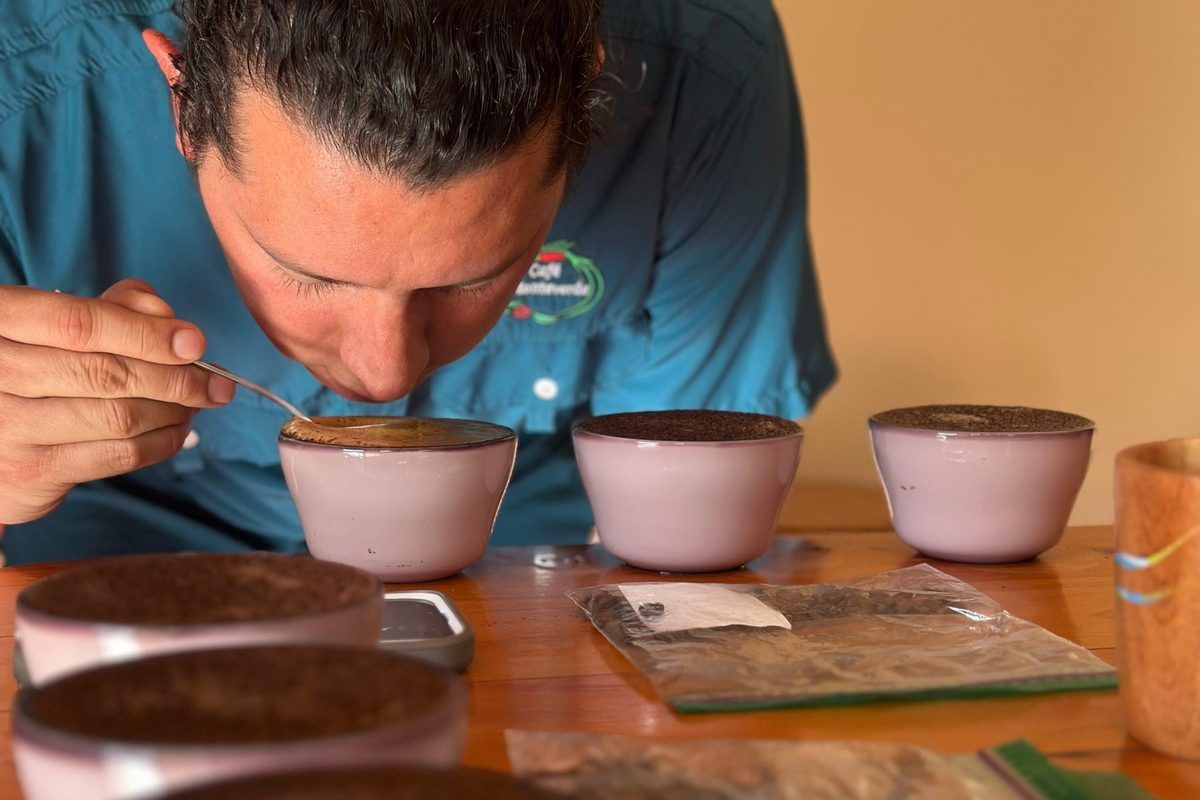
Two coffees can come from the same plot, the same variety and the same week, and taste like they grew in different countries. The difference is usually processing: what happens to the cherry between the branch and the drying bed.
At Café de Monteverde we process four ways — washed, honey, natural and, in small experimental lots, anaerobic. The same harvest gives us four distinct coffees, and the tasting at the end of the farm tour is built around that fact.
Why processing matters so much
A coffee seed is wrapped in skin, pulp, mucilage and parchment. Left alone, it would ferment and spoil. Processing is the controlled removal of those layers, and every decision — how soon the fruit comes off, how much mucilage stays, how fast the seed dries — changes the chemistry inside the bean.
Sugars, acids and aromatic compounds all move during drying. Dry it slowly and the seed keeps more of the fruit. Wash it clean and the seed tastes of the place rather than the cherry. Get it wrong and you get vinegar, potato or rubber. This is why a mill is not a utility: it is where flavour is made.
Washed: the clean, true expression
For washed coffee the skin and pulp come off within hours of picking, then the seed is fermented in water to break down the mucilage and washed clean before drying. Nothing is left on the seed to distract from it.
The result is clarity. Our washed coffees taste of citrus, almond, brown sugar or dark chocolate depending on the roast, but always with a clean, defined finish. If you want to taste the difference between a Caturra and a Venecia, or between one farm and another, washed is the process that lets you.
Washed is also the most reliable process in a wet climate. There is less fruit left on the seed to go wrong during drying, which matters in Monteverde, where the cloud arrives most afternoons.
Honey: sweetness and body
Honey process removes the skin and pulp but leaves the mucilage — the sticky, sugary layer around the parchment — on the seed while it dries. The name comes from that sticky texture, not from any added honey.
As the seed dries, the sugars in the mucilage concentrate and ferment slightly, then settle into the bean. The cup is rounder than washed, with more body and a longer sweetness. Ours tastes of honey, juicy pear and cinnamon, and it is the coffee we sell most of.
Honey is a spectrum, not a single method. Leaving more or less mucilage, and drying faster or slower, moves the coffee between a light honey (closer to washed) and a dark honey (closer to natural). We aim for the middle: enough sweetness to notice, not so much that the coffee becomes fermented.
Natural: the whole cherry
Natural process dries the cherry whole. No depulping, no washing. The seed sits inside the fruit on a raised bed for two to three weeks while the fruit slowly shrivels and the seed ferments.
This is the riskiest method and the most dramatic in the cup. Our natural coffee has complex berries, florals and a sweet cedar note, with a full body and a long finish. It is also the coffee most likely to divide a table: people who love it really love it.
In a wet harvest we move natural lots under cover and turn them more often. A single rainy week at the wrong moment can turn a great lot into a fermented one, which is why natural coffee is usually a smaller share of our production.
Anaerobic: controlled fermentation
Anaerobic fermentation seals the cherries or seeds in a tank without oxygen, usually at a controlled temperature, for a set number of hours before drying. Without oxygen, different microbes take over and produce a very different set of aromatics — tropical fruit, spice, sometimes a noticeable acidity.
It is fashionable, and it is genuinely interesting, but it is easy to overdo. We run small experimental lots rather than making it the core of what we sell. When it works, it tastes like nothing else on the table. When it does not, it tastes like nail polish.
Side by side
| Method | What is left on the seed | Drying | In the cup |
|---|---|---|---|
| Washed | Nothing — mucilage removed | 7–12 days | Clean, bright, defined. Citrus, almond, caramel. |
| Honey | Mucilage | 10–14 days | Sweet, round, more body. Honey, pear, cinnamon. |
| Natural | The whole cherry | 14–21 days | Fruity, floral, full. Berries, cedar, wine. |
| Anaerobic | Cherry or seed, sealed | Varies | Intense, tropical, experimental. |
Which one should you try?
If you drink coffee black and want to taste the mountain, start with a washed light roast. If you take milk or want something rounder, honey. If you want a coffee that behaves like a glass of wine, natural. And if you want to understand all of it at once, the Collection Set puts the three main processes in one box.
Better still, come to the farm. The tour ends with five cups on the table, all from the same harvest, and a guide who can tell you which bed each one dried on.
Taste the difference on the farm
The two-hour tour ends with five coffees from this farm, tasted side by side. It is the fastest way to understand everything in this article.
Common questions
Does coffee processing change the taste?
Yes, substantially. Processing decides how much fruit, sugar and acid reaches the seed. Washed coffee tastes clean and bright, honey coffee sweeter and rounder, natural coffee fruity and full. The same variety grown on the same plot can taste like three different coffees.
What is honey process coffee?
Honey process coffee is dried with the sticky mucilage still on the seed after the skin and fruit are removed. The sugars in the mucilage ferment slightly and settle into the bean, giving more body and sweetness than a washed coffee. Despite the name, no honey is added.
Is natural process coffee stronger?
Natural coffee usually tastes fruitier and fuller rather than stronger in caffeine. It is dried inside the whole cherry, which ferments the seed slowly and builds wine-like, berry and floral notes.
What is anaerobic fermentation?
Anaerobic fermentation means the coffee cherries or seeds ferment in a sealed tank without oxygen, usually for a controlled number of hours at a controlled temperature. It produces intense, sometimes tropical flavours. It is riskier than open-air fermentation and easier to get wrong.
Keep reading
More from the journal
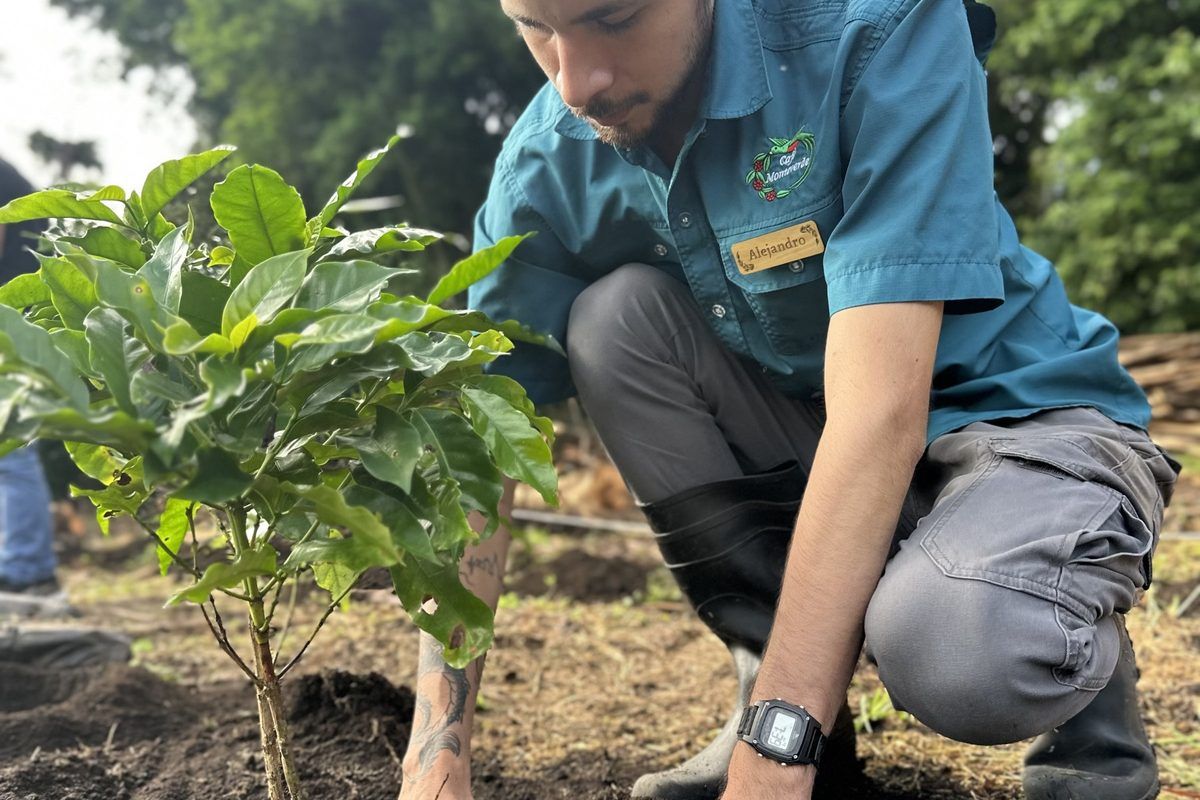
Coffee from seed to cup: eight steps at our Costa Rican farm
From a seedbed in Cañitas to the cup in your hand, eight stages and about three years. A walk through what actually has to happen.
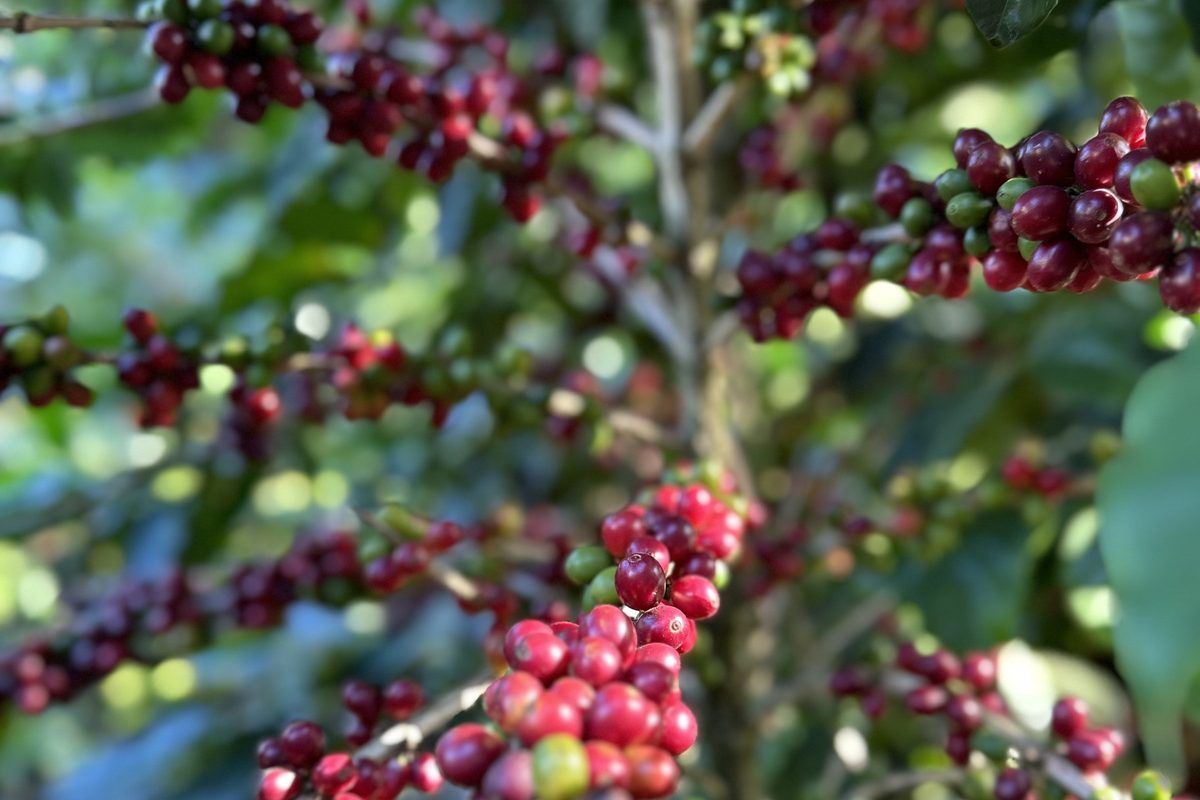
What is specialty coffee, and why does Monteverde suit it?
The 80-point definition, what it leaves out, and the altitude, shade and slow ripening that make Monteverde a specialty origin.

Single-plot harvests: the diversity of coffee at Café de Monteverde
Why we pick and process small plots separately, how we measure ripeness with a refractometer, and what a microlot tastes like.